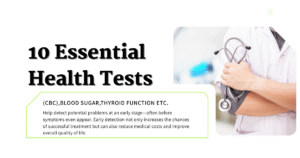
Getting a blood test is a routine part of healthcare, but reading the report can feel overwhelming with so many medical terms and numbers. Understanding these results can help you take better control of your health and build confidence when discussing them with your doctor. Here’s a simple breakdown of common blood test terms and what they mean.
1. RBC (Red Blood Cells)
Red blood cells work to transport oxygen from the lungs to all areas of the body.
A low red blood cell count can be a sign of anemia, lack of essential nutrients, or blood loss.
A high red blood cell count may be associated with dehydration, respiratory disorders, or specific heart problems.
2. WBC (White Blood Cells)
White blood cells are part of your immune system and help fight infections.
Low WBC can mean your immune system is weak due to illness, medication, or bone marrow problems.
High WBC may signal infection, inflammation, or other immunerelated conditions.
3. Hemoglobin (Hb)
Hemoglobin is a protein within red blood cells that plays a key role in carrying oxygen across the body.
A low hemoglobin level is often linked to anemia, which can lead to tiredness and weakness.
A high hemoglobin level may be seen in smokers, individuals residing at high altitudes, or those with certain blood-related conditions.
4. Platelets
Platelets help your blood clot and prevent excessive bleeding.
Low platelets may increase the risk of bleeding and can be caused by infections, medications, or immune conditions.
High platelets might be linked to inflammation, iron deficiency, or bone marrow problems.
5. Cholesterol
Cholesterol is a fatty substance in your blood, essential for cell health but harmful in excess.
Excess cholesterol in the blood can heighten the risk of heart disease and stroke.
Low cholesterol is rare but may be linked to nutritional issues or certain health conditions.
6. Blood Sugar (Glucose)
Glucose is the body’s main fuel for producing energy.
High blood sugar may indicate diabetes or prediabetes.
Low blood sugar can cause dizziness, sweating, and confusion.
7. Liver Function Tests (LFT)
These tests measure the levels of enzymes and proteins that the liver produces.Abnormal results may suggest liver damage, infection, or the effects of alcohol/medications.
8. Kidney Function Tests
These include creatinine and blood urea nitrogen (BUN) levels.
High readings may indicate kidney damage or dehydration.
Low readings are less common but can be linked to certain medical conditions.
Why Understanding Matters
Knowing what your blood test results mean helps you take an active role in your health. While your doctor is the best person to interpret your report, understanding the basics can reduce anxiety and help you ask the right questions.
Remember: Blood tests are not a diagnosis by themselves—they are a tool to guide further evaluation and treatment.